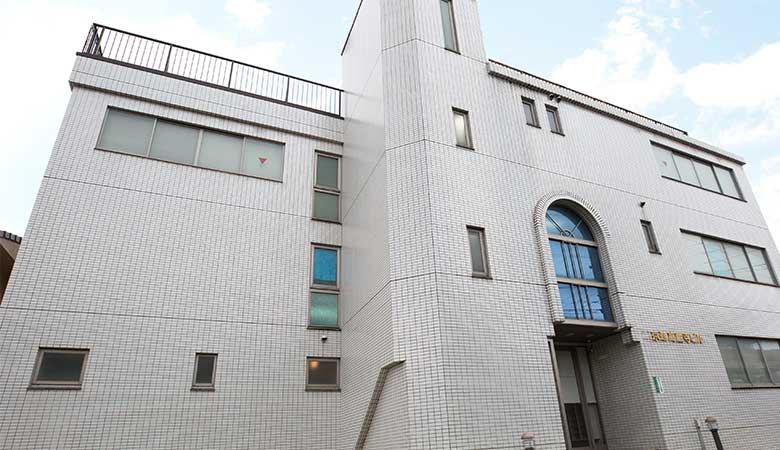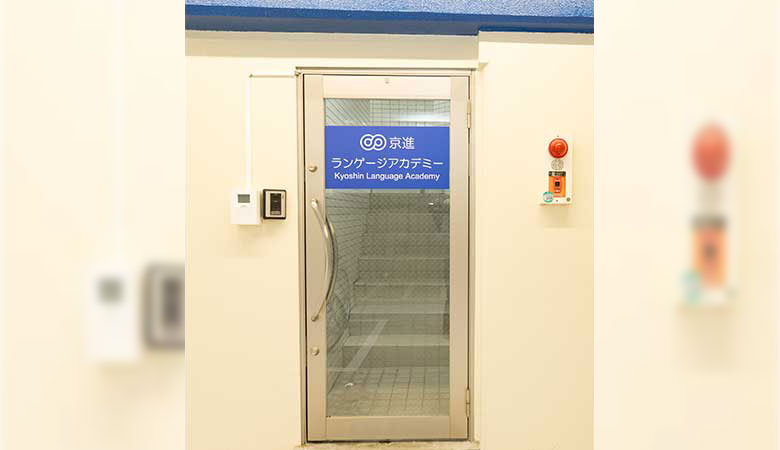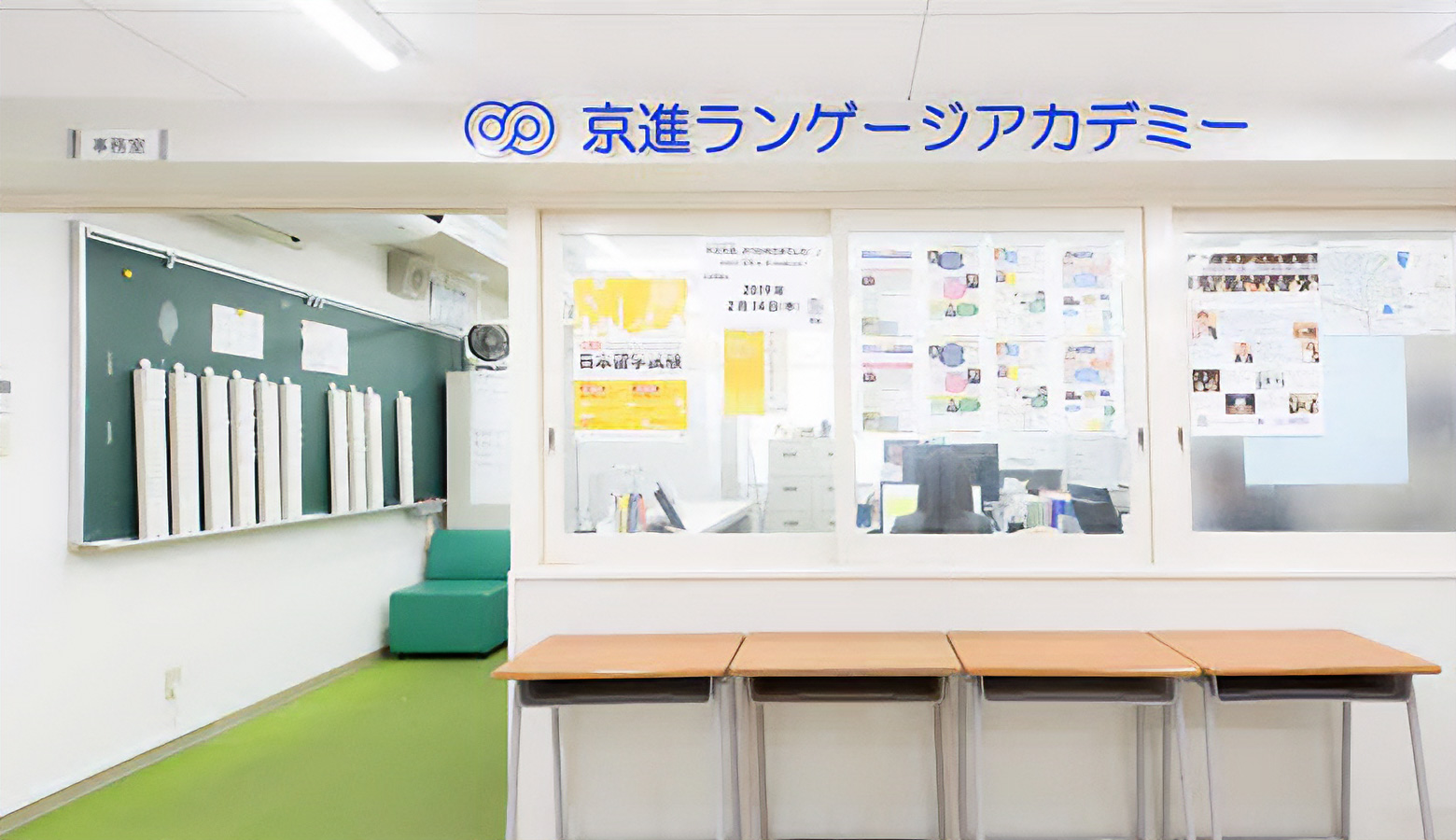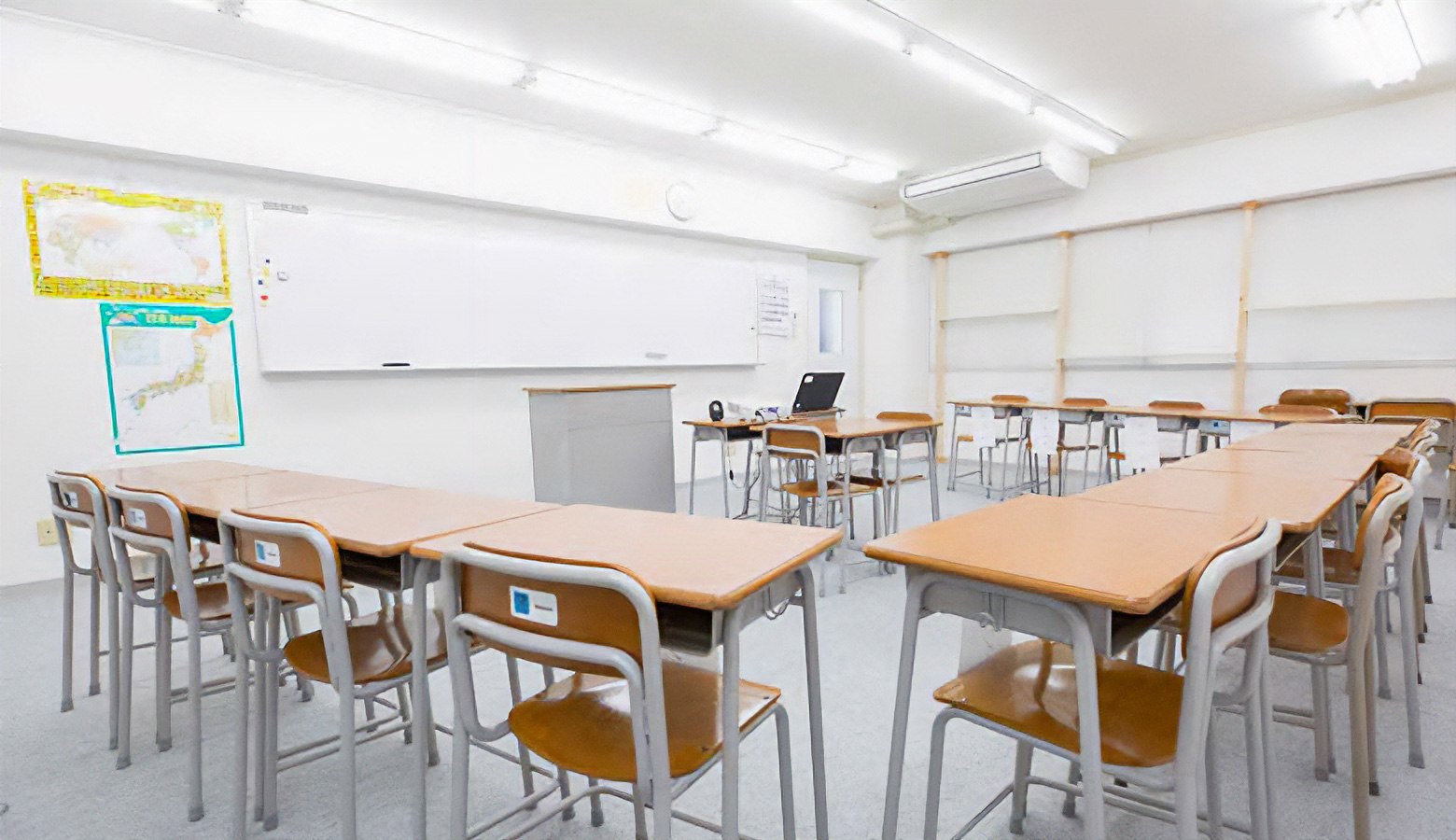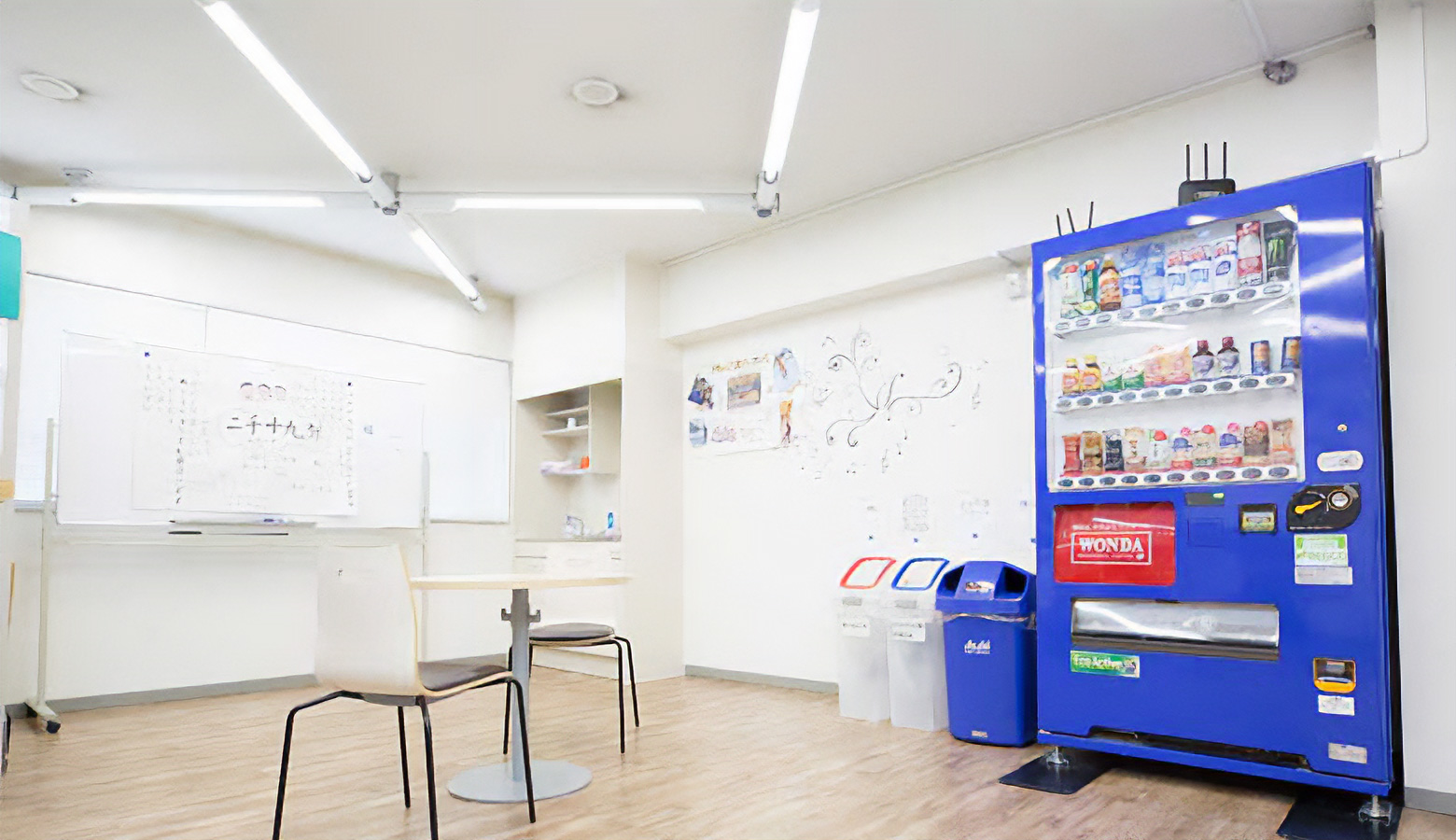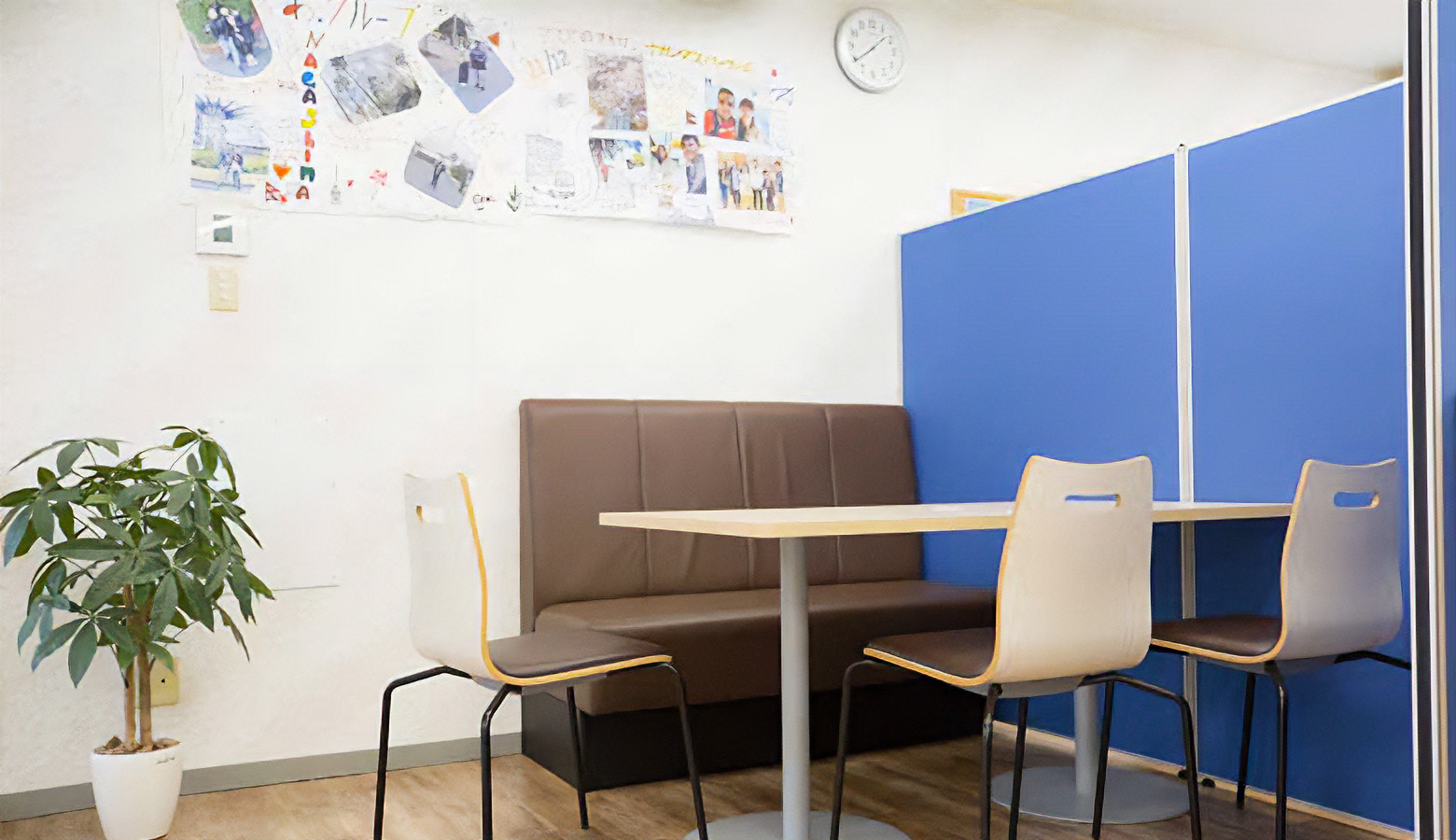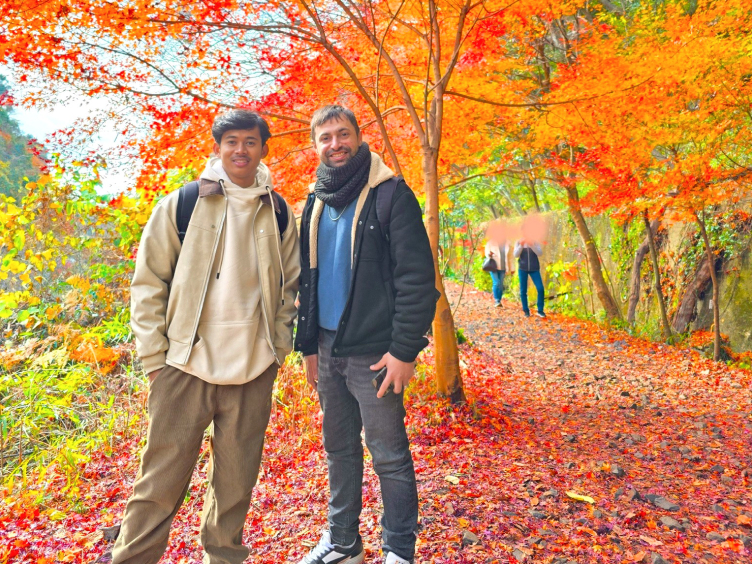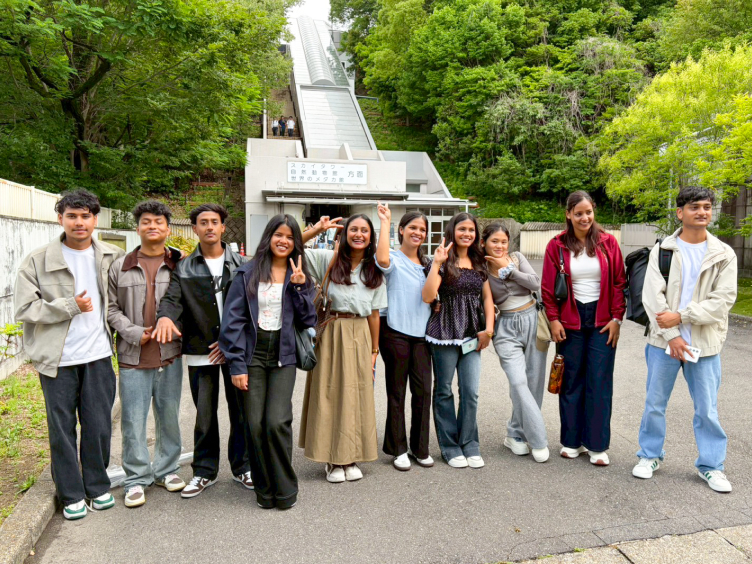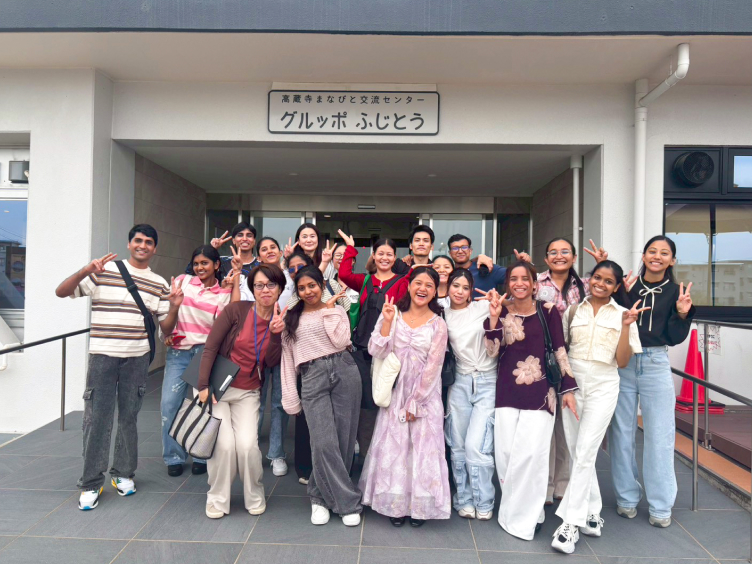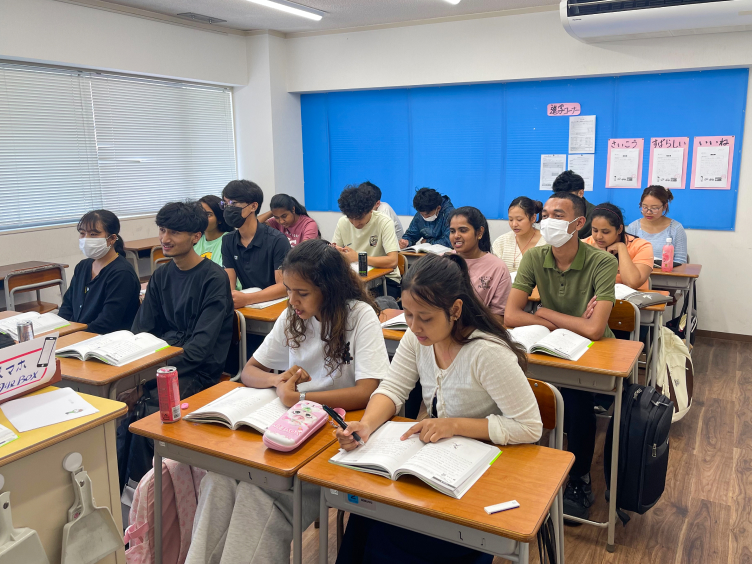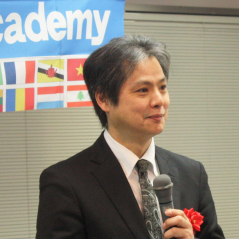


Kyoshin Language Academy Nagoya-Kita welcomes many students, primarily from South and Southeast Asia, who aim to advance from Japanese language school to higher education institutions and work in Japan for a period of time. With this background, we not only develop Japanese language proficiency sufficient for academic success, but also provide education that looks “beyond admission.” Rather than treating admission and enrollment as the ultimate goal, our instruction focuses on cultivating communication skills for life both inside and outside educational institutions after enrollment, and fostering the ability to independently establish a solid foundation for life as an international student—enabling long-term coexistence with Japanese people in local communities and workplaces, and supporting independent living.
Course Features
Society coexistence, Rich Japanese Language Proficiency
Comprehensive Japanese × Japanese Expression
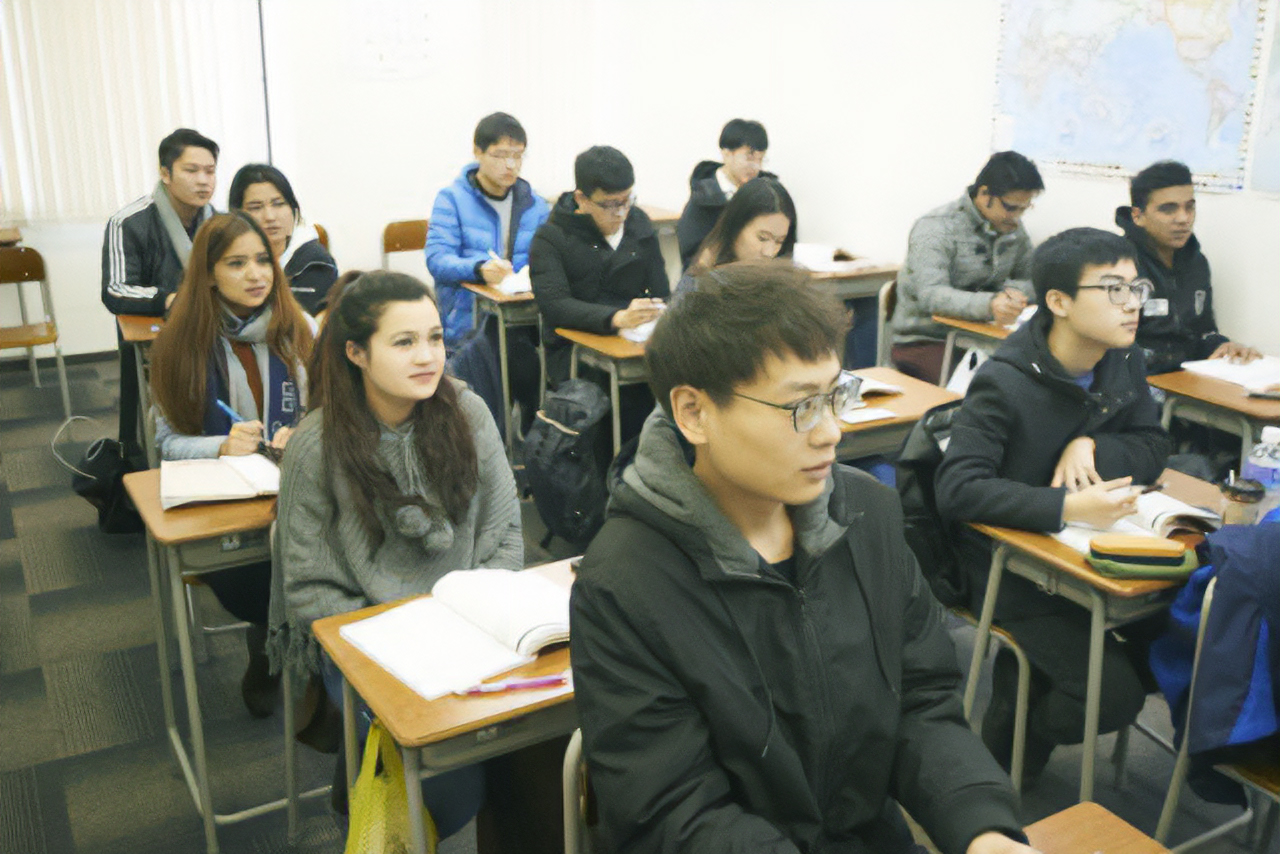
In Comprehensive Japanese, while learning “listening,” “reading,” “speaking (interaction and presentation),” and “writing” in an integrated manner, students will also carefully learn the linguistic knowledge (vocabulary, grammar, and kanji) necessary for tasks one by one, developing the language abilities that support these activities. Additionally, in Japanese Expression classes, students will focus specifically on “speaking” and “writing” to enhance their Japanese expression skills and connect them to practical use.
Society/Coexistence Program
Nagoya North Campus aims to enable students to live proactively toward their own happiness within Japanese society even after advancing to vocational schools or universities. Therefore, with “Society/Coexistence” as the theme, we implement activities that connect students with the outside world as part of our curriculum. For example, through various activities such as reading aloud at local libraries and gathering information by visiting nearby shopping districts, students learn to connect with society through Japanese. We also view each individual’s important “educational advancement” as one form of learning to connect with society, and provide step-by-step support within this program so students can proactively proceed with their career choices.
Reaching Planner
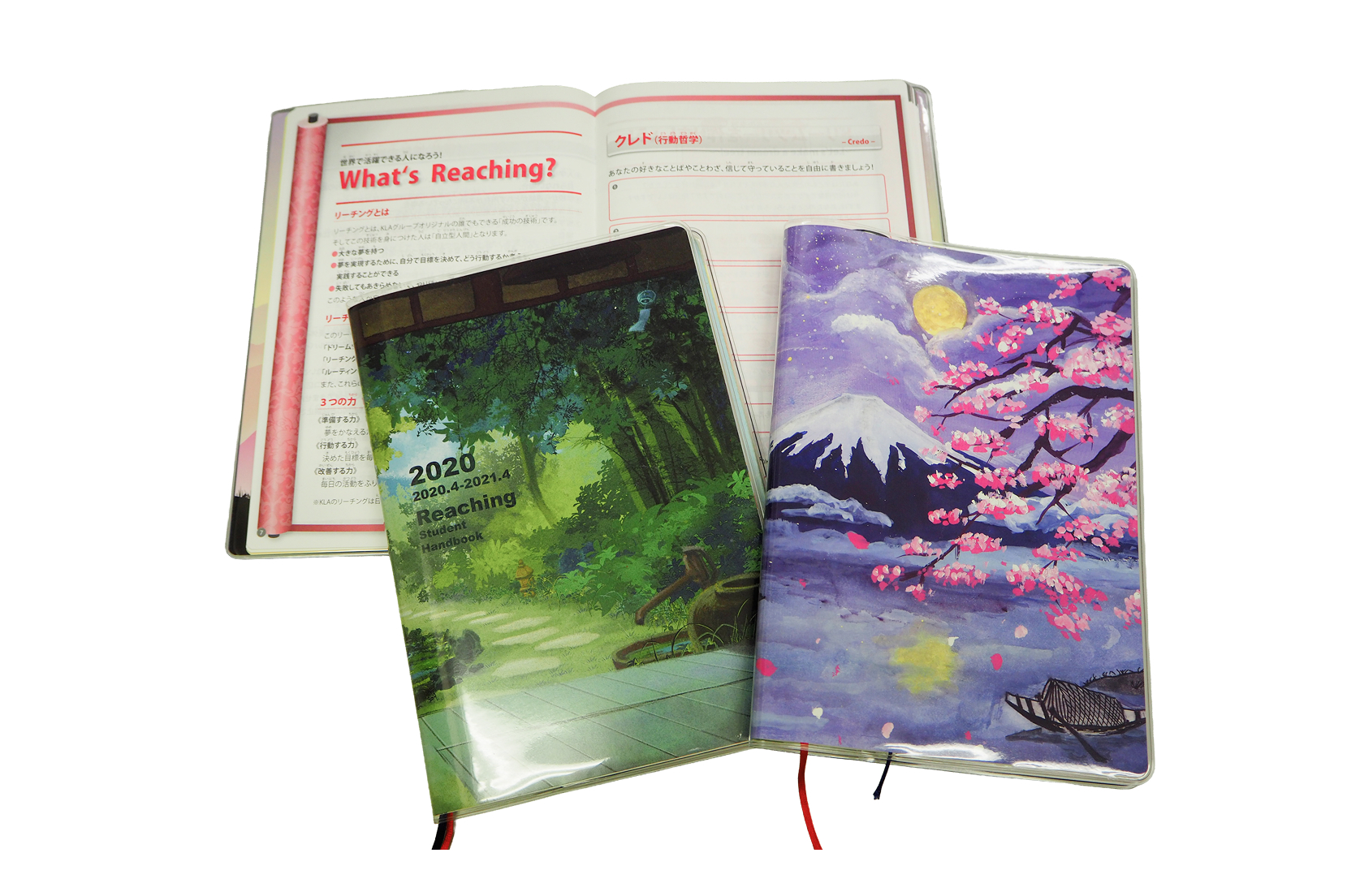
Kyoshin’s original “Reaching” is a habit-forming tool for achieving goals. At KLA, we utilize the Reaching Student Planner and incorporate three steps—envisioning goals × taking action × reflecting—into daily class time. Through this initiative, we cultivate each individual’s ability to learn and act independently toward realizing their dreams. Specifically, students engage in the following steps during class:
- Reaching Goal Setting: At the beginning of each month, students set their monthly goals toward their dreams.
- Routine Check: Students decide what to do daily to achieve their goals and check it every day.
- Monthly Results and Reflection: At the end of the month, students review their routine checks and write their reflections.
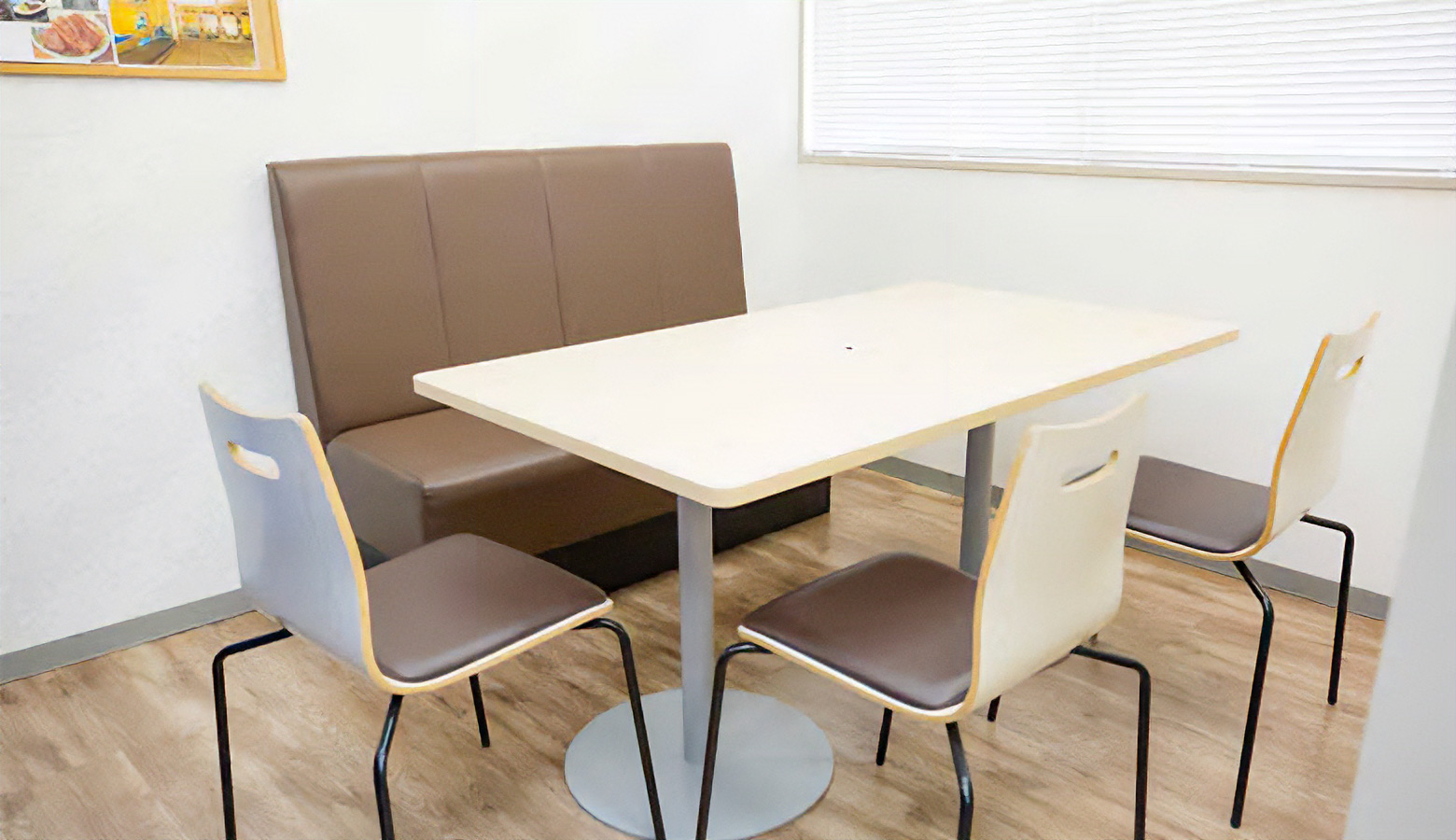
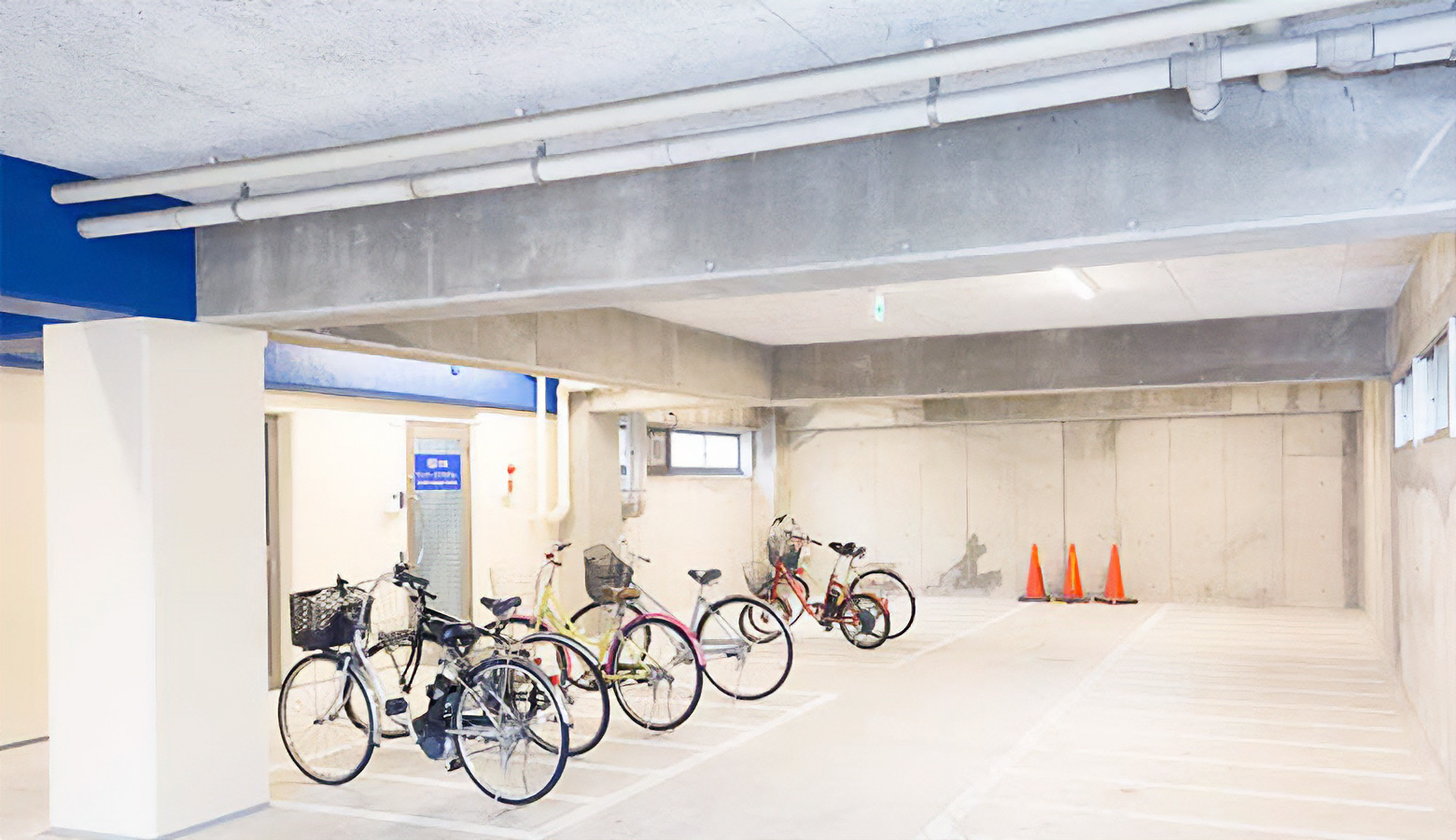
School Facilities
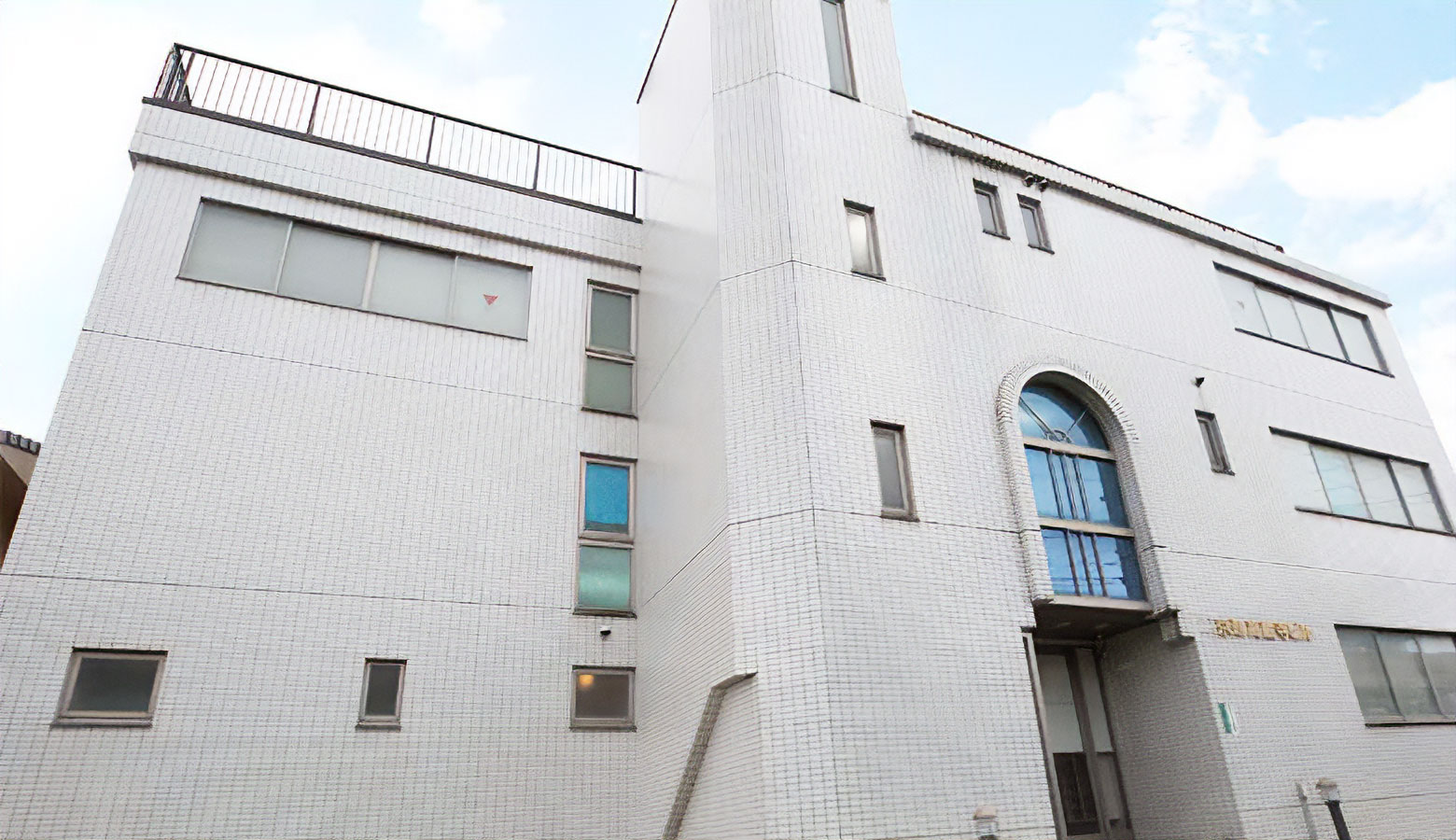
Accommodation
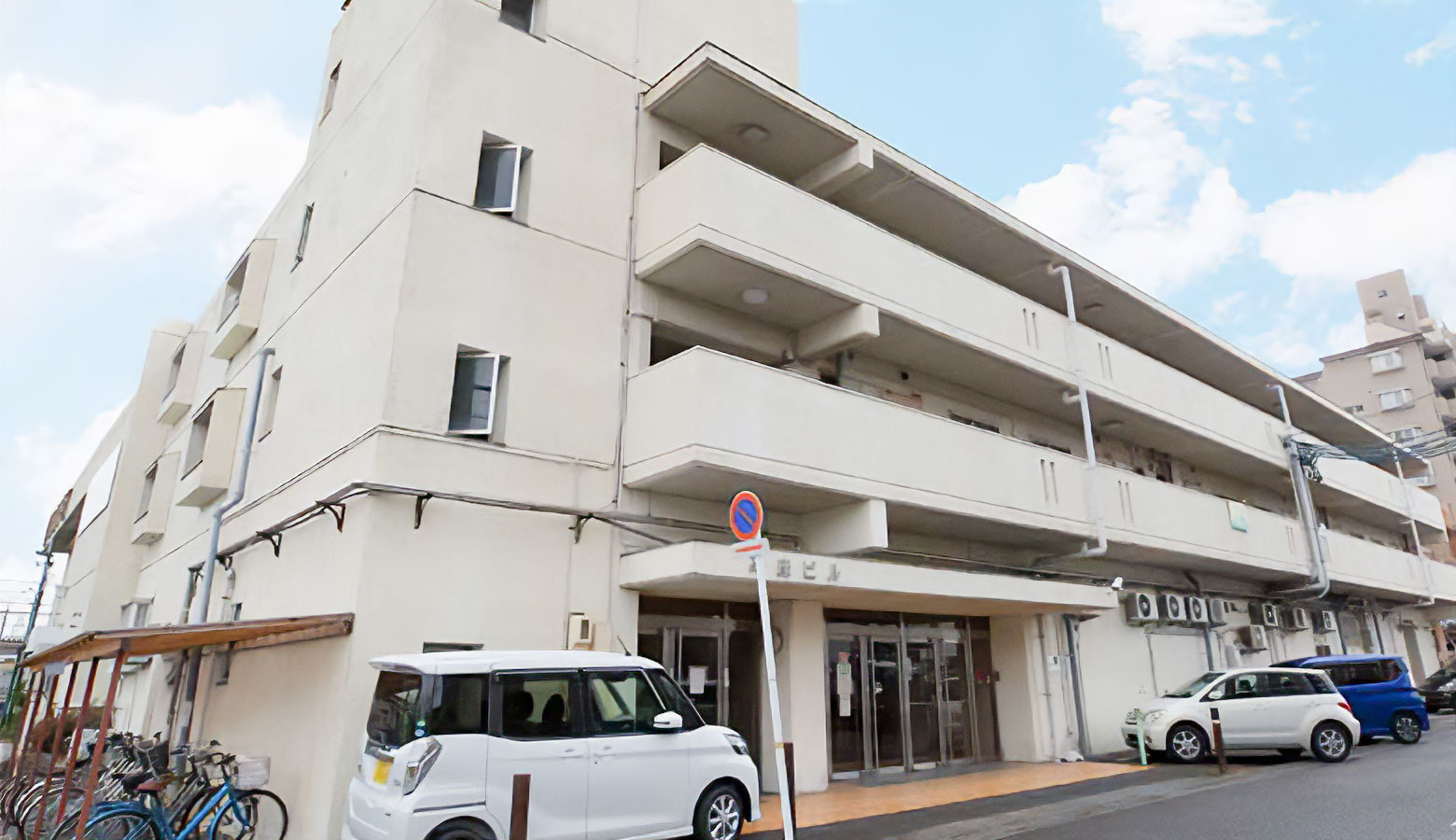
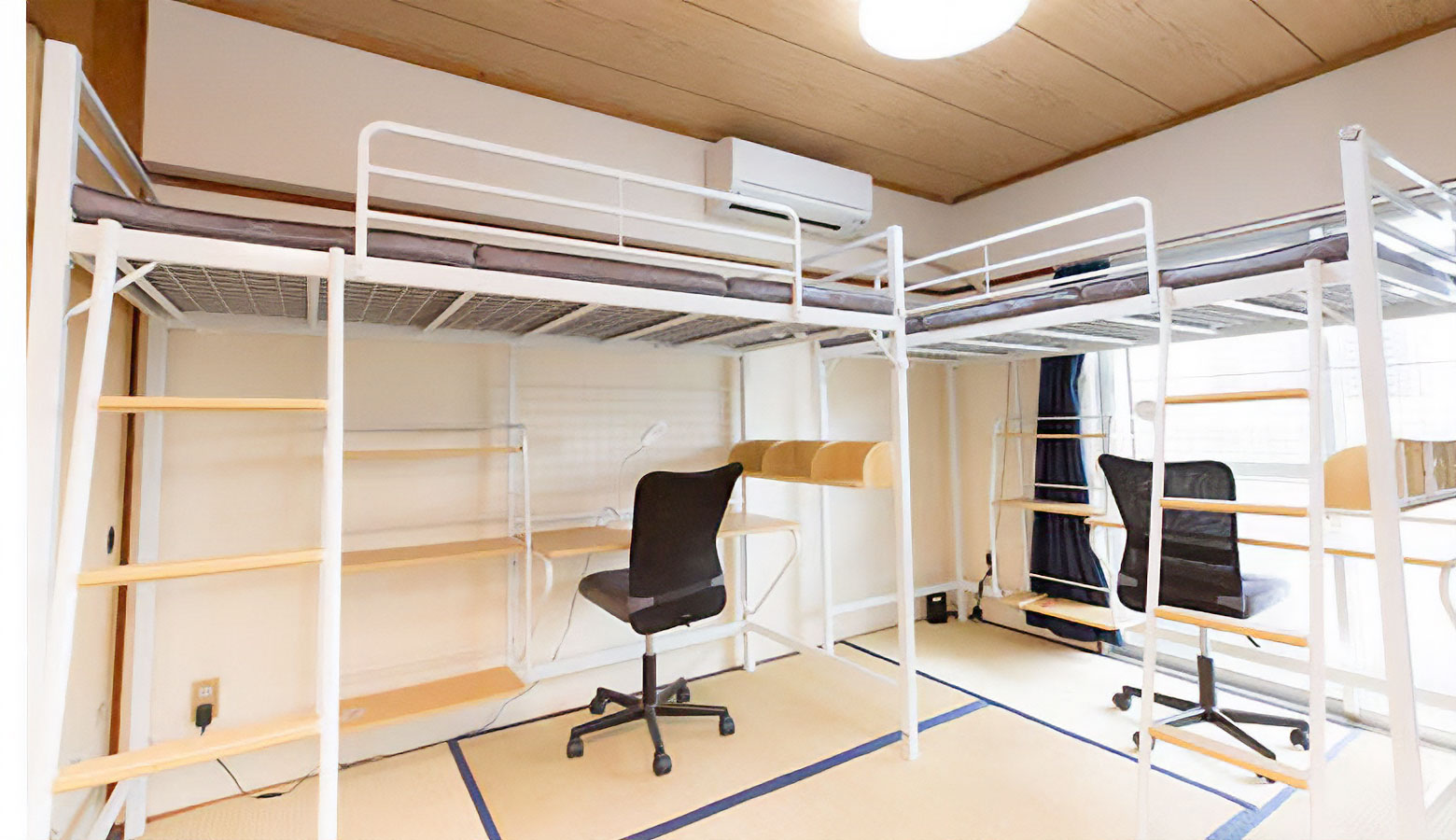
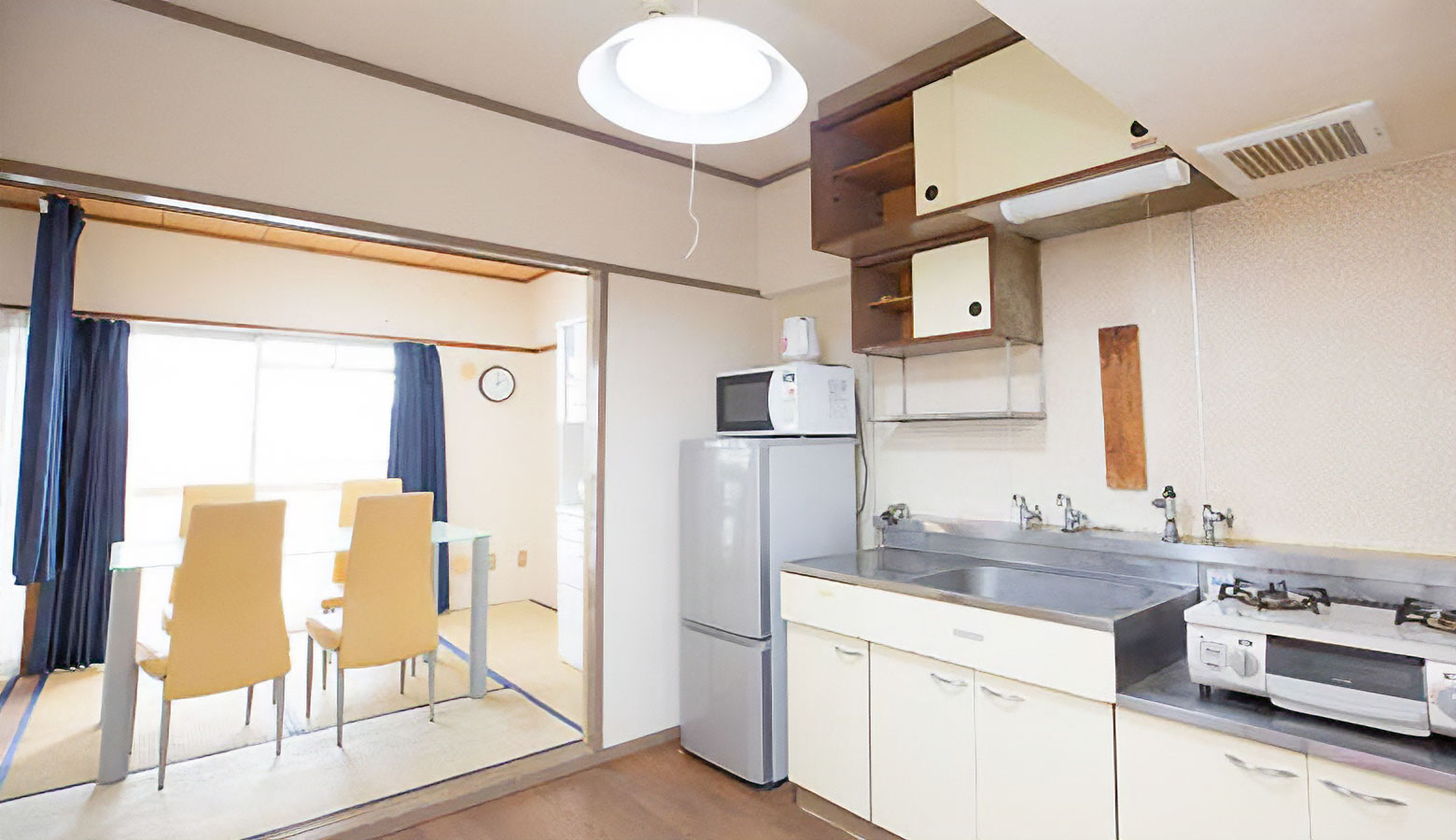
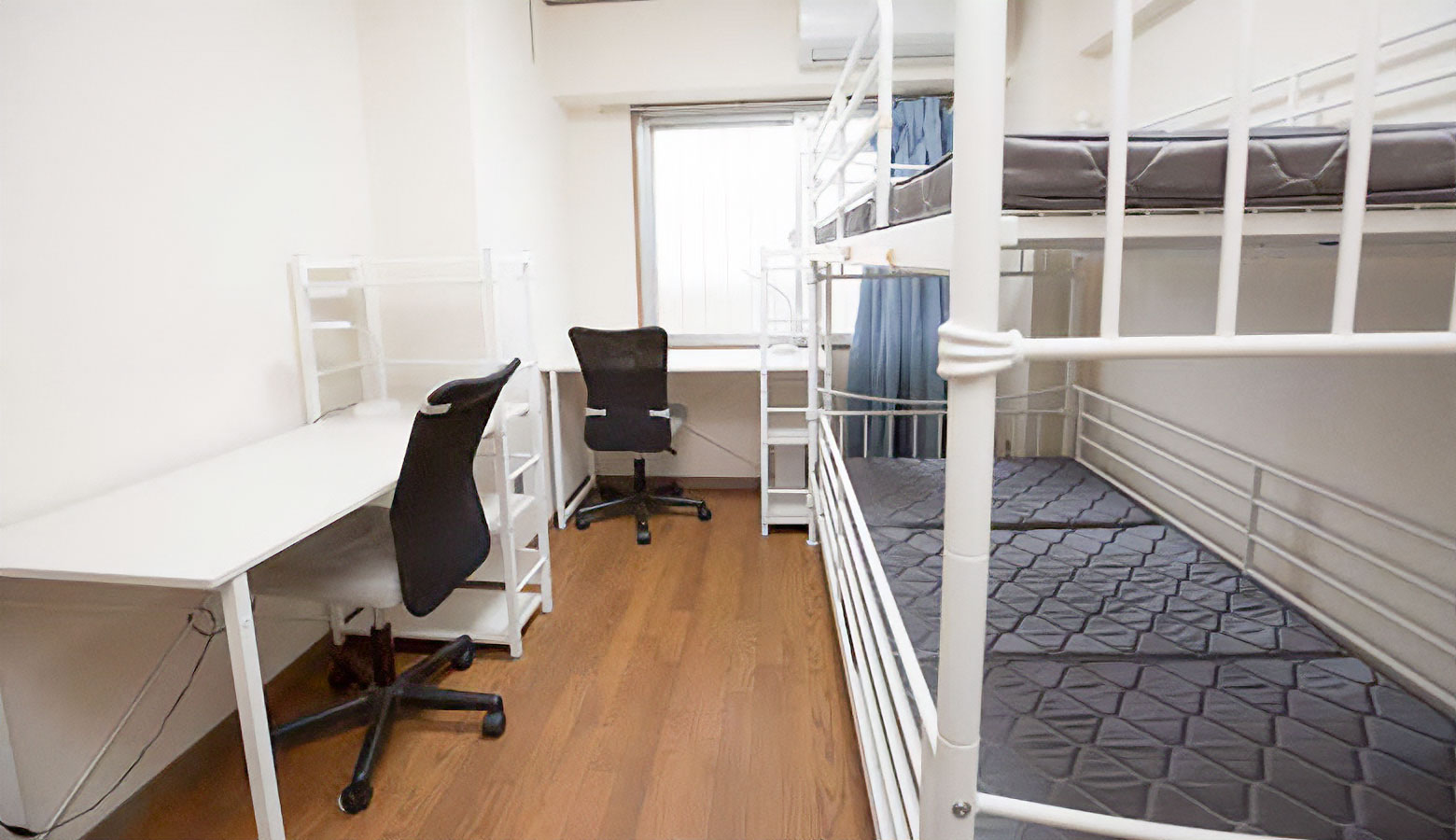
Shared Type
We will refer other property if full, but RATE MIGHT DIFFERS.
(Currency unit: JPY)
| Room Type | 2 – 4 person |
|---|---|
| Entrance fee | 30,000 |
| Cleaning fee | 20,000 |
| Rent/month | 31,000 |
| Utilities/month | 9,000 (Actual cost if over 9,000/person) *1 |
| Insurance/month | 1,000 |
| Bedding | 8,000 |
| Initial payment (6 months) | 304,000 |
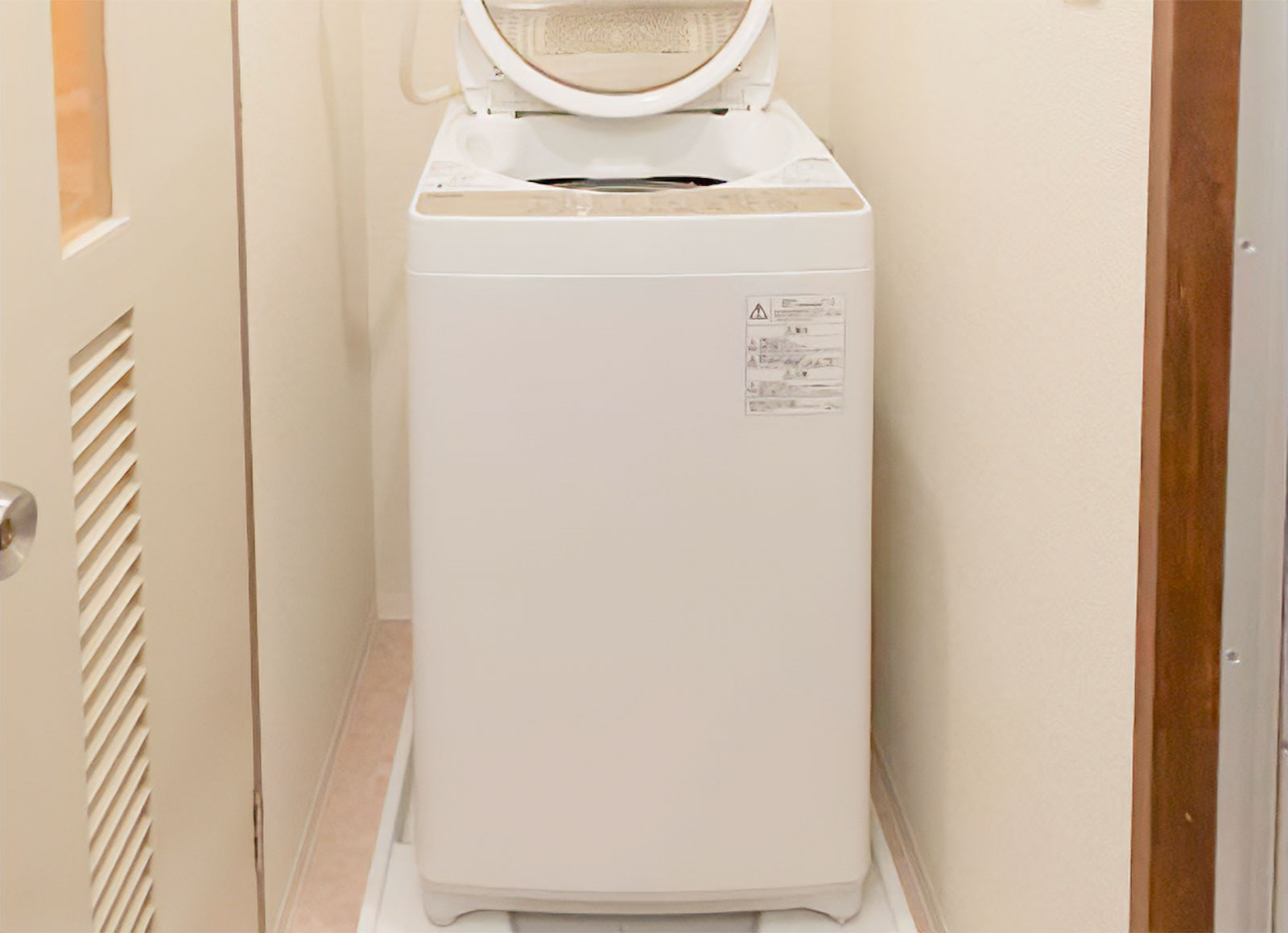
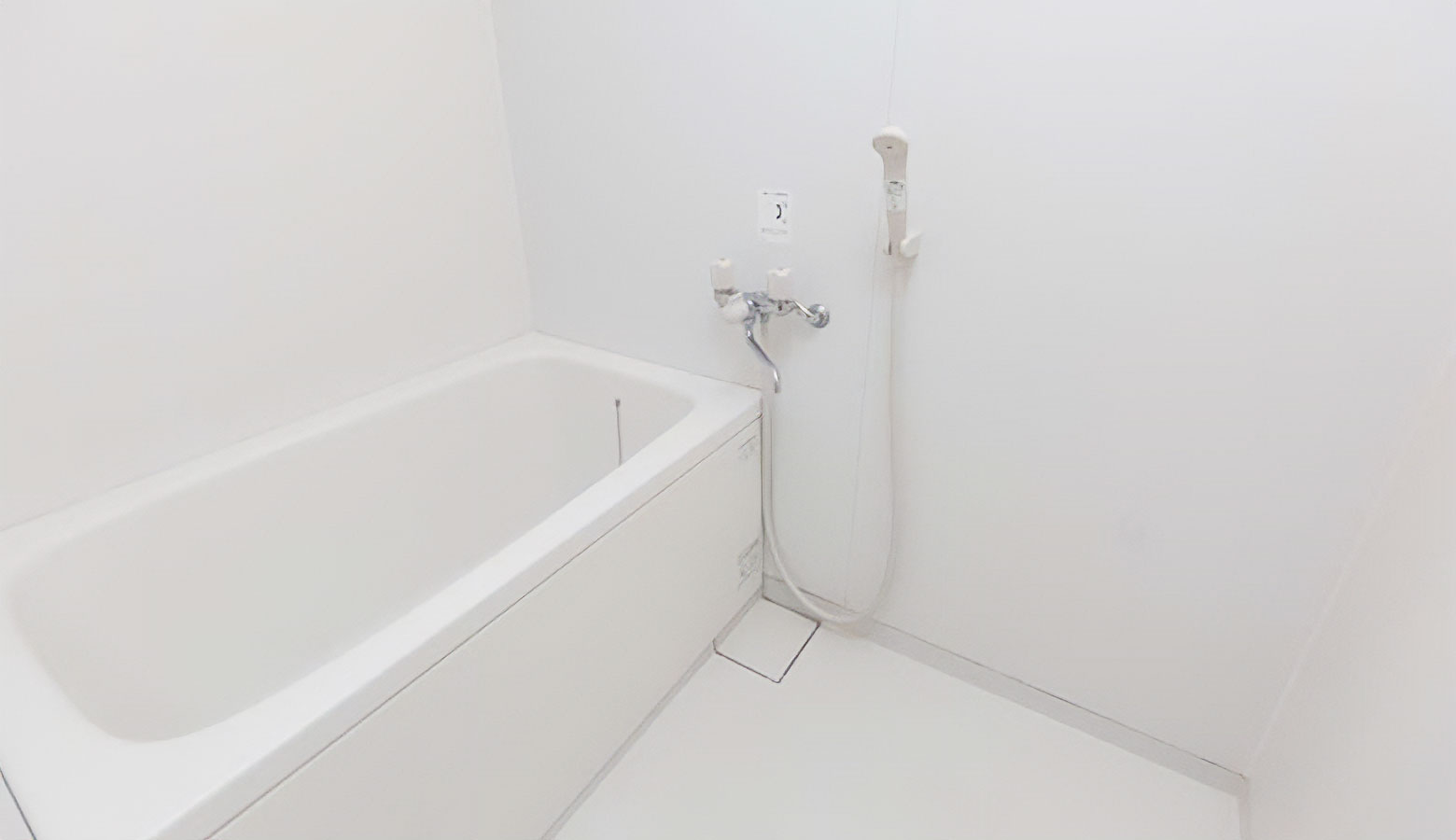
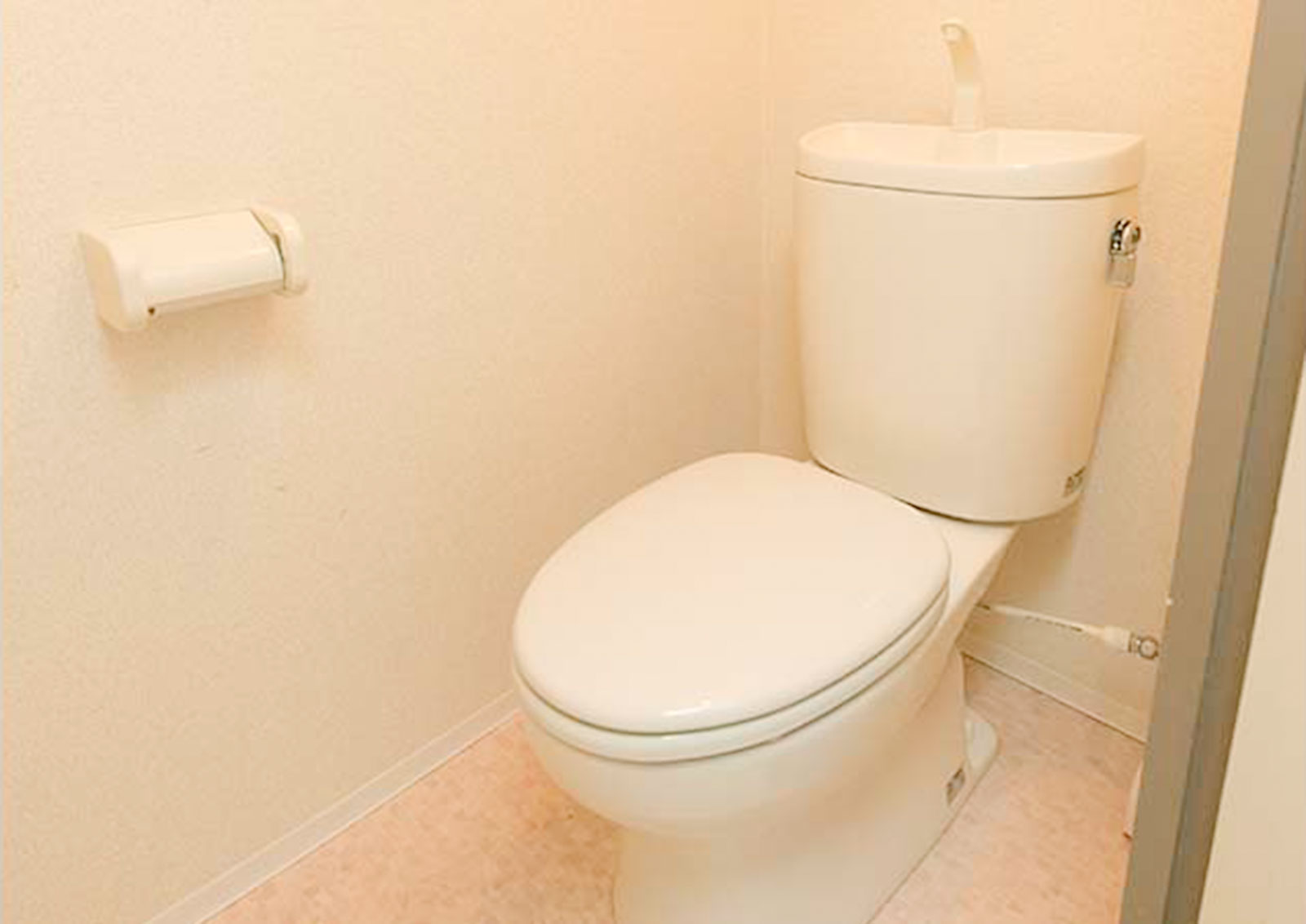
| Common facilities | kitchen, shower, toilet, refrigerator, microwave, washing machine, Wi-Fi *2 |
| Room facilities | air conditioning, desk, chair, bed |
| Location | 3 – 25 minutes on foot or by train |
*1 If your monthly utility bill exceeds the limit, you will be charged the difference.
*2 No tableware, cookware, and rice cooker
Textbooks Used
Beginner Level
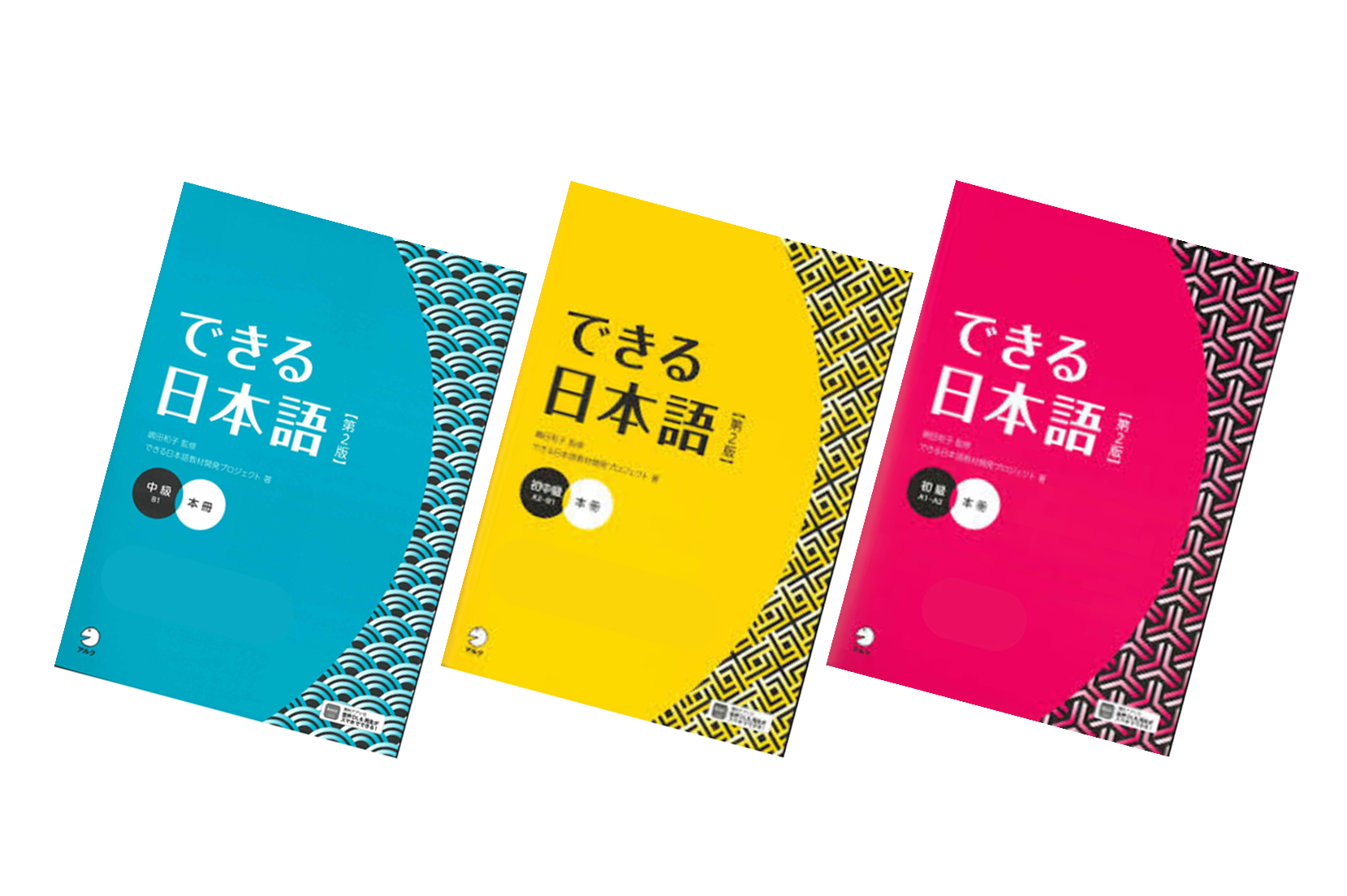
- Dekiru Nihongo (Can-Do Japanese) Beginner
- NEJ
Pre-Intermediate Level
- Dekiru Nihongo (Can-Do Japanese) Pre-Intermediate
- Chukyu e Ikou (Let’s Go to Intermediate)
- NEJ
Intermediate Level
- Dekiru Nihongo (Can-Do Japanese) Intermediate
- Futaba (Original)
Advanced Level
- Yotsuba (Original)
- Nihongo Sou-matome (Japanese in Summary)
- N2
Curriculum and Japanese Language Levels
| Course and Learning Period | Academic Preparation 2-Year Course | 1st Year April Term | 1st Year July Term | 1st Year October Term | 1st Year January Term | 2nd Year April Term | 2nd Year July Term | 2nd Year October Term | 2nd Year January Term |
|---|---|---|---|---|---|---|---|---|---|
| Academic Preparation 1 Year 9 Months Course | 1st Year July Term | 1st Year October Term | 1st Year January Term | 2nd Year April Term | 2nd Year July Term | 2nd Year October Term | 2nd Year January Term | ||
| Academic Preparation 1 Year 6 Months Course | 1st Year October Term | 1st Year January Term | 2nd Year April Term | 2nd Year July Term | 2nd Year October Term | 2nd Year January Term | |||
| Academic Preparation 1 Year 3 Months Course | 1st Year January Term | 2nd Year April Term | 2nd Year July Term | 2nd Year October Term | 2nd Year January Term | ||||
| Learning Level | Reference Framework | A2 | B1 | B2 | |||||
| Nagoya Kita School Level Setting | A2.1 | A2.2 | A2.3 | B1.1 | B1.2 | B1.3 | B2.1 | B2.2 | |
| Achievement Goals | Can understand and use commonly used everyday expressions and very basic phrases aimed at satisfying concrete needs. Can engage in simple interactions if the other person speaks slowly and clearly and is willing to help. | Can understand frequently used sentences and expressions related to areas of most immediate relevance (e.g., very basic personal and family information, shopping, local area, employment). Can communicate in simple and routine tasks requiring a simple and direct exchange of information on familiar and routine matters. | Can understand frequently used sentences and expressions related to oneself and one’s surroundings. Can handle matters on one’s own without the other person’s help regarding familiar everyday matters. Can heighten awareness about academic advancement, decide on desired field, and begin collecting school information. | Can understand the main points of clear standard input on familiar matters regularly encountered in work, school, etc. Can produce simple connected text on topics that are familiar or of personal interest. Can decide on desired field for academic advancement and collect school information. Can also listen to and understand vocabulary necessary for academic preparation. | Can understand the main points on familiar topics of personal relevance. Can produce simple text with emotional expression on topics that are familiar or of personal interest. Can specifically decide on target schools and participate in information sessions to collect school information. Can also understand vocabulary necessary for academic preparation. | Can understand and collect information on topics related to oneself and one’s surroundings. Can summarize and express key points using non-verbal communication on topics that are familiar or of personal interest. | Can understand the main ideas of complex text on both concrete and abstract topics, including technical discussions in their field of specialization. Can interact with native Japanese speakers with logical thinking even in tense situations such as interviews. | Can understand a wide range of specialized topics at their place of study and explain their own views or give presentations on them. Can understand main points and engage in natural interaction even on complex or abstract topics. | |
| Class Hours (1 class hour is 45 minutes) | 576 class hours | 576 class hours | 576 class hours | ||||||
Levels and Achievement Goals
| Level Setting | CEFR Reference | JLPT Reference | Course Overview [Learning Content] | Class Hours |
|---|---|---|---|---|
| B2.2 | B2 | N2 | Can understand a wide range of specialized topics at their place of study and explain their own views or give presentations on them. | 192 hours |
| B2.1 | Can understand the main ideas of complex text on both concrete and abstract topics, including technical discussions in their field of specialization. Can interact with proficient Japanese speakers with logical thinking even in tense situations such as interviews. | 192 hours | ||
| B1.3 | B1 | N3 | Can specifically decide on target schools and participate in information sessions to collect school information. Can also understand vocabulary necessary for academic preparation. Can understand and collect information on topics related to oneself and one’s surroundings. Can summarize and express key points using non-verbal communication on topics that are familiar or of personal interest. | 192 hours |
| B1.2 | Can decide on desired field for academic advancement and collect school information. Can also listen to and understand vocabulary necessary for academic preparation. Can understand the main points on familiar topics of personal relevance. Can produce simple text with emotional expression on topics that are familiar or of personal interest. | 192 hours | ||
| B1.1 | Can heighten awareness about academic advancement, decide on desired field, and begin collecting school information. Can understand the main points of clear standard input on familiar matters regularly encountered in work, school, etc. Can produce coherent text connected in simple ways on topics that are familiar or of personal interest. | 192 hours | ||
| A2.3 | A2 | N4 | Can understand frequently used sentences and expressions related to oneself and one’s surroundings. Can handle matters on one’s own without the other person’s help regarding familiar everyday matters. | 192 hours |
| A2.2 | Can understand frequently used sentences and expressions related to areas of most immediate relevance (e.g., very basic personal and family information, shopping, local area, employment). Can communicate in simple and routine tasks requiring a simple and direct exchange of information on familiar and routine matters. | 192 hours | ||
| A2.1 | Can understand and use commonly used everyday expressions and very basic phrases aimed at satisfying concrete needs. Can engage in simple interactions if the other person speaks slowly and clearly and is willing to help.192 hours | 192 hours |
Admission Results
For admission results, please click here.
Tuition Fees
From April 2026 onwards
First Year Tuition
Currency: JPY
| Examination Fee | Admission Fee | Tuition | Facility Fee | Teaching Materials & Activity Fee | Insurance / Health Management Fee | Consumption Tax (10%) | First Year Total | |
|---|---|---|---|---|---|---|---|---|
| Full Year Payment | 30,000 | 70,000 | 680,000 | 50,000 | 50,000 | 10,000 | 89,000 | 979,000 |
| 6-Month Payment | 30,000 | 70,000 | 340,000 | 25,000 | 25,000 | 5,000 | 49,500 | 544,500 |
*For 6-month payment: 395,000 yen after half a year [Tax included: 434,500 yen (10%)]
Second Year Tuition
Total amount varies depending on
Currency: JPY
| Examination Fee | Admission Fee | Tuition | Facility Fee | Teaching Materials & Activity Fee | Insurance / Health Management Fee | Consumption Tax (10%) | Second Year Total | Total with First Year | |
|---|---|---|---|---|---|---|---|---|---|
| Academic Preparation 2-Year Course | – | – | 680,000 | 50,000 | 50,000 | 10,000 | 89,000 | 869,000 | 1,848,000 |
| Academic Preparation 1 Year 9 Months Course | – | – | 510,000 | 37,500 | 37,500 | 7,500 | 59,250 | 651,750 | 1,630,750 |
| Academic Preparation 1 Year 6 Months Course | – | – | 340,000 | 25,000 | 25,000 | 5,000 | 39,500 | 434,500 | 1,413,500 |
| Academic Preparation 1 Year 3 Months Course | – | – | 170,000 | 12,500 | 12,500 | 2,500 | 19,750 | 217,250 | 1,196,250 |
School Activities
Teaching Staff

The school policy of KLA Nagoya Kita is “Learn together, talk together, laugh together.”
There are approximately 8 billion people living in about 200 countries around the world. Each has “differences” stemming from culture, values, and more. There are 200 types of cultures and 8 billion individuals.
Japanese language schools have people from various countries. We begin by getting to know and understand each other. We believe it is important to start by acknowledging “differences,” and through “learning” and “talking” together, create something new. Beyond that, we believe genuine “laughter” will emerge between us.
KLA Nagoya Kita is a microcosm of global society. You, who are striving here, are already a global citizen.
Let’s work hard together.
Principal: WATANABE Masatoshi
What would you like to do in Japan? What are your dreams?
At Nagoya Kita, we support the realization of each and every student’s dreams.
Both the administrative staff and Japanese language teachers will support you together.
Classes are structured so that you can increase “what you can do using Japanese.” Please feel the sense of accomplishment each day as you add even one more “I can do/understood ~~” to your abilities, and enjoy a fulfilling study abroad life in Japan.
We also hope you will learn about Japanese customs and culture, which are important for life in Japan. This will surely help you achieve your dreams.
Let’s spend enjoyable time together at Nagoya Kita.
Academic Director: IURA Kazuko
Access
3-9-15, Kozojicho-kita,
Kasugai-shi, Aichi 487-0016
*3 minutes on foot from JR Kozoji station

Basic Information
| Japanese Language Educational Institution Name | Kyoshin Language Academy Nagoya Kita School |
|---|---|
| Japanese Language Education Period Location | 3-9-15 Kozoji-cho Kita, Kasugai City, Aichi Prefecture 487-0016 |
| Founder Name | Kyoshin Co., Ltd. |
| Founder Representative | TACHIKI Yasuyuki |
| Founder Address | 382-1 Osaka-cho, Karasuma Gojo Sagaru, Shimogyo-ku, Kyoto City, Kyoto Prefecture 600-8177 |
| Capacity | 270 students |
| Number of Faculty and Staff | 36 teachers, 5 staff members |
| Japanese Language Education Courses | Academic Preparation 2-Year Course, Academic Preparation 1 Year 9 Months Course, Academic Preparation 1 Year 6 Months Course, Academic Preparation 1 Year 3 Months Course |